Source handmade cardboard miniature bookshelf for home decor, gifts, and storage
Compare 30 listings for the handmade cardboard miniature bookshelf to find options for home decor, gifts, and storage. Buyers can review specifications like material, size, and customization to select the right product for their needs.
Key considerations
Products List








Comprehensive Sourcing Guide
Strategic Sourcing Guide for Handmade Cardboard Miniature Bookshelves
Procuring specialized miniature furniture, specifically handmade cardboard bookshelves, requires a nuanced approach that balances aesthetic fidelity with structural integrity. While the market often presents a wide array of materials ranging from solid wood to engineered composites, the specific demand for "handmade cardboard" introduces unique constraints regarding material sourcing, dimensional stability, and finishing techniques. Buyers must navigate a landscape where the term "handmade" implies a labor-intensive production process that differs significantly from mass-produced injection molding or automated laser cutting. This guide outlines the critical factors for sourcing these items, focusing on the technical realities, compliance verification, and supply chain management necessary for successful B2B procurement.
Technical Specifications and Material Realities
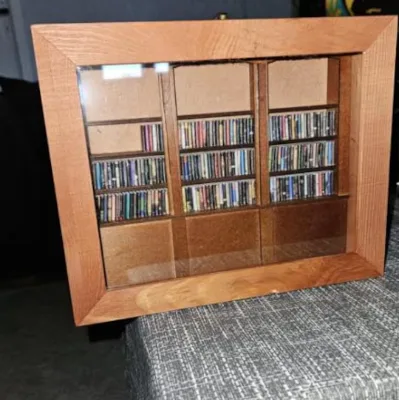
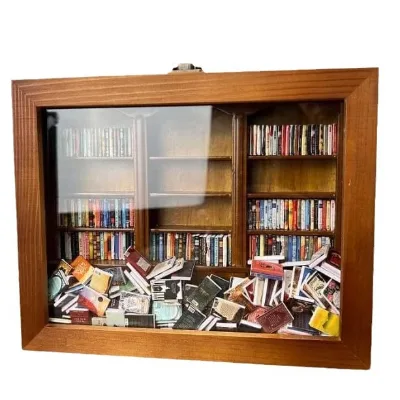
The foundational aspect of sourcing miniature bookshelves lies in understanding the material composition and dimensional tolerances. In the context of high-quality miniature models, the material is often specified as wood or high-density cardboard composites treated to mimic wood grain. When evaluating product listings, buyers should look for explicit material declarations. For instance, observed market data indicates that similar miniature storage units are frequently constructed from wood, with specific dimensions such as 30.5 x 28 x 15.24 cm for single package sizes. The dimensional tolerance for such items is typically strict, often falling within a range of less than ±5mm to ensure that miniature components fit together seamlessly.
The finishing technique is equally critical. A "handmade" designation often correlates with specific surface treatments, such as a glossy finish, which enhances the visual appeal of the miniature. The shape of these units is predominantly rectangular, designed to maximize storage efficiency within a small footprint. Furthermore, the weight of the unit is a key logistical consideration; observed data suggests a single gross weight of approximately 3.5 kg for comparable wooden models. For cardboard variants, the weight tolerance is generally expected to be within ±10%, inclusive, to account for natural variations in material density. Buyers must verify that the supplier can consistently maintain these tolerances, as deviations can lead to assembly issues or aesthetic inconsistencies in the final product.
Compliance, Certification, and Safety Standards
In the B2B sector, compliance is not merely a formality but a prerequisite for market access, particularly when products are intended for use in living spaces or as gifts for children. The certification landscape for miniature furniture can be complex. While some suppliers may offer certifications such as ISO or CCC (China Compulsory Certification), these are not universal across all product lines. Buyers should verify the specific certification status of the supplier's production line rather than assuming general compliance. For example, a product might be listed with "ISO" certification, but the specific standard (e.g., ISO 9001 for quality management) must be confirmed.
Safety is paramount, especially when the product is categorized under "Kids" or intended for general home use. The absence of doors in certain models simplifies the design but requires attention to edge safety and stability. The "Standing Type" installation method implies that the unit must be self-supporting without wall anchoring, which necessitates a low center of gravity and robust base construction. Buyers should request test reports or compliance documents that verify the product meets the safety standards of the target market, such as Europe or America. Without verified certification data, the risk of regulatory non-compliance increases significantly, potentially leading to product recalls or customs hold-ups.
Cost Drivers and Pricing Dynamics
The pricing structure for handmade miniature bookshelves is influenced by several variable factors, including material costs, labor intensity, and customization levels. The observed price range in the market is extensive, spanning from $1.50 to $5,880 USD. This wide disparity often reflects the difference between mass-produced items and high-end, fully custom artisanal pieces. The "handmade" aspect inherently drives up costs due to the labor hours required for cutting, assembling, and finishing each unit.
Customization is a primary cost driver. Options such as customized logos, colors, and designs add significant value but also increase the unit price. For instance, a standard brown model may be priced differently than a unit with a custom color match or a specific logo application. Additionally, the Minimum Order Quantity (MOQ) plays a crucial role in the final cost per unit. Observed MOQs vary widely, from as low as 1 set to as high as 1,000 sets, with common thresholds around 300 or 500 sets. Buyers with lower volume requirements may face higher per-unit costs, while those willing to commit to larger orders can negotiate better pricing tiers. It is essential to clarify whether the quoted price includes packaging, shipping, and any tooling fees for custom molds or dies.
Typical Applications and Market Segmentation
Understanding the intended application of the miniature bookshelf is vital for selecting the right supplier. These products are frequently marketed for use in living rooms, serving as decorative storage solutions for book lovers. The "Multifunctional" design allows them to be used for storage, document organization, or purely as aesthetic displays. The target market often includes regions such as Europe, America, and Africa, where there is a strong demand for home decor and miniature collectibles.
The product style is another key differentiator. While some models feature a "Rustic" style to evoke a traditional, cozy feel, others adopt a "Modern" aesthetic with clean lines and minimalist designs. The "Kids" category indicates a specific segment where durability and safety are prioritized, often requiring rounded edges and non-toxic finishes. Buyers should align their procurement strategy with the specific style and application requirements of their target demographic. For example, a supplier specializing in rustic, wooden models may not be the best fit for a buyer seeking modern, sleek cardboard designs.
Supplier Evaluation and Customization Capabilities
Evaluating a supplier for handmade miniature bookshelves requires a deep dive into their production capabilities and customization flexibility. The ability to offer "Customized Logo," "Customized Color," and "Customized Design" is a strong indicator of a supplier's adaptability. However, buyers must verify the actual capacity of the supplier to handle these customizations without compromising quality. The "Standard packaging" or "Carton Packing" options should be assessed for their ability to protect the delicate miniature units during transit.
The production origin is also a significant factor. Many suppliers are located in regions like Shandong, China, which is known for its manufacturing prowess in wood and paper products. Buyers should confirm the "Place of Origin" and ensure that the supplier has a proven track record in exporting to their specific market. The "Condition: New" status of the products is a basic requirement, but buyers should also inquire about the supplier's quality control processes to ensure that every unit meets the "New" condition standard upon arrival.
Quality Control and Long-Term Procurement Considerations
Implementing a robust quality control (QC) protocol is essential for maintaining product integrity. Given the "Handmade" nature of the product, variability is inherent, but it must be managed within acceptable limits. Buyers should establish clear acceptance criteria based on the observed specifications, such as the dimensional tolerance of ±5mm and weight tolerance of ±10%. Regular inspections, either on-site or through third-party agencies, can help identify defects early in the production process.
Long-term procurement considerations involve building a sustainable relationship with the supplier. This includes negotiating favorable terms for repeat orders, ensuring consistent lead times, and maintaining open communication regarding design changes. The "Production Name" and "Model Number" (e.g., ANI 08-012 or HJ-BC001) should be standardized to avoid confusion in future orders. Additionally, buyers should consider the environmental impact of the materials used, especially if the product is marketed as eco-friendly or made from recycled cardboard.
Comparative Analysis of Product Attributes
To facilitate decision-making, the following table summarizes key attributes observed in the market for miniature bookshelves, highlighting the variations buyers may encounter.
| Attribute | Observation A (Wood/Standard) | Observation B (Cardboard/Custom) | Procurement Implication |
|---|---|---|---|
| Material | Wood | Cardboard/Composite | Verify material strength and finish durability. |
| Finish | Glossy | Customized Color | Ensure color matching accuracy for branding. |
| Dimensions | 30.5 x 28 x 15.24 cm | Variable (Standardized) | Check tolerance limits for assembly fit. |
| Weight | 3.5 kg Gross | Variable (<±10%) | Calculate shipping costs based on weight. |
| MOQ | 300 Sets | 50-100 Sets | Align order volume with budget and storage. |
| Certification | ISO, CCC | Varies | Confirm specific standards for target market. |
| Style | Rustic, Modern | Customized Design | Match style to target customer demographic. |
| Packaging | Standard/Carton | Carton Packing | Assess protection level for fragile items. |
Conclusion
Sourcing handmade cardboard miniature bookshelves requires a meticulous approach that balances technical specifications, compliance requirements, and cost considerations. By focusing on verified attributes such as material composition, dimensional tolerances, and certification status, buyers can mitigate risks and ensure the delivery of high-quality products. The extensive price range and customization options available in the market offer flexibility, but they also demand careful supplier evaluation and clear communication of requirements. Ultimately, a successful procurement strategy relies on a deep understanding of the product's intended application and the ability to navigate the complexities of the global supply chain.
FAQs
What materials are used for handmade cardboard miniature bookshelves?
These units are typically constructed from wood or high-density cardboard composites treated to mimic wood grain. The material choice affects structural integrity and weight, with observed models often weighing around 3.5 kg gross.
How can I verify the dimensional accuracy of the product?
Buyers should look for explicit dimensional tolerances, which are typically strict and fall within a range of less than ±5mm. This ensures that miniature components fit together seamlessly without assembly issues or aesthetic inconsistencies.
Which certifications are required for selling these items in Europe?
Certification requirements vary, but some suppliers offer ISO or CCC standards. Buyers must verify the specific certification status of the production line rather than assuming general compliance to avoid regulatory non-compliance in target markets.
Can I request customized colors and logos for these bookshelves?
Yes, customization is available for logos, colors, and designs, though this increases the unit price. Options like customized colors allow for branding, but buyers must verify the supplier's capacity to maintain quality during these customizations.
What is the typical minimum order quantity for these products?
Minimum order quantities vary widely, ranging from as low as 1 set to as high as 1,000 sets. Common thresholds are around 300 or 500 sets, with lower volumes often facing higher per-unit costs due to labor intensity.
How do I ensure the product meets safety standards for children?
Safety is paramount for the Kids category, requiring rounded edges and non-toxic finishes. Buyers should request test reports verifying the product meets safety standards of the target market, especially for standing type units without doors.